
Why Is It Necessary to Understand This Topic?
The layout of a restaurant plays a crucial role in determining its success. A well-thought-out design not only enhances the dining experience but also impacts operational efficiency, customer satisfaction, and overall profitability. Understanding common layout failures allows restaurant owners to prevent costly mistakes and optimize their space for maximum efficiency and comfort.
Poor interior design choices can lead to problems such as inefficient traffic flow, lack of accessibility, discomfort for diners, and even operational inefficiencies. If restaurant owners fail to recognize these pitfalls, they risk losing customers, experiencing high staff turnover, and diminishing brand reputation. By being aware of these 10 layout fails, restaurant owners can create an inviting and functional environment that enhances their business's success.
What Can Restaurant Owners Gain from Understanding This?
By thoroughly understanding the impact of layout failures, restaurant owners can achieve several benefits:
1. Improved Customer Experience
A well-designed layout ensures customers feel comfortable and enjoy their dining experience, leading to positive reviews and repeat visits.
2. Enhanced Operational Efficiency
A restaurant that is easy to navigate helps staff move smoothly, reducing wait times and increasing table turnover.
3. Optimized Space Utilization
Maximizing seating capacity while maintaining comfort ensures increased revenue potential without sacrificing ambiance.
4. Better Brand Identity and Aesthetics
A well-planned design aligns with the brand's identity, reinforcing its uniqueness and making it more memorable to guests.
5. Compliance with Safety and Accessibility Regulations
Adhering to building codes and accessibility laws prevents legal issues and ensures inclusivity for all customers.
6. Increased Profitability
A functional and appealing design encourages longer stays, higher customer satisfaction, and more word-of-mouth marketing, all contributing to greater profits.
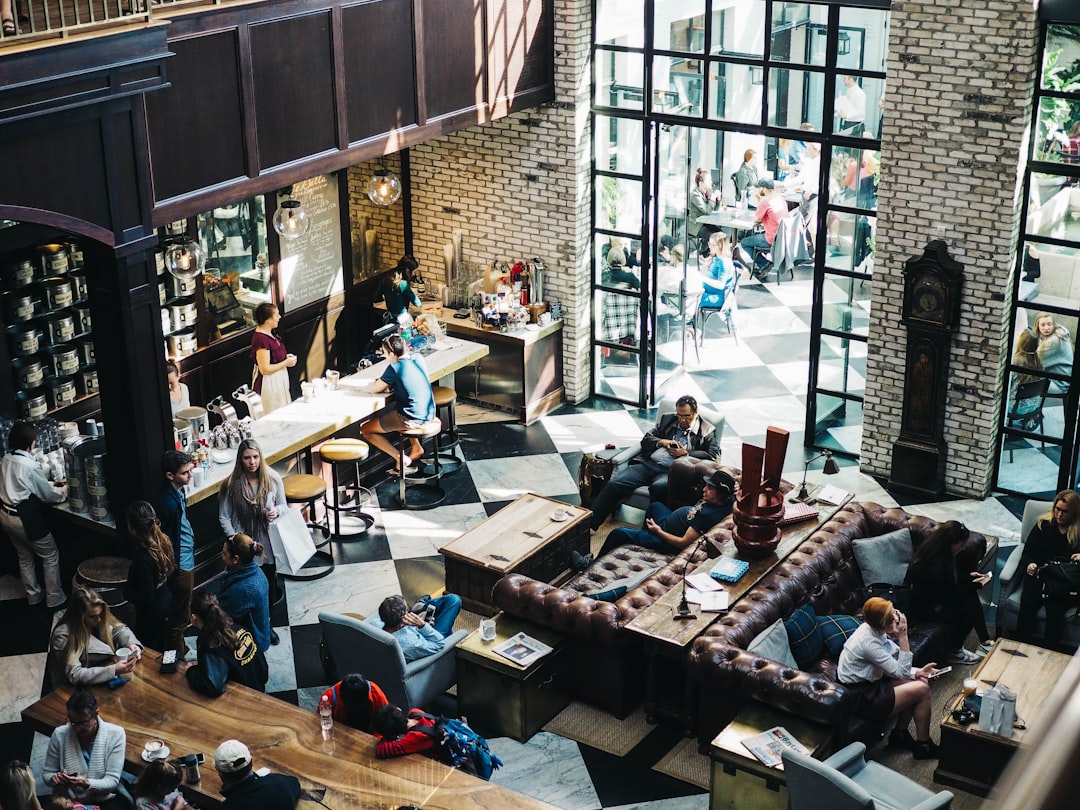
How Should They Implement These Best Practices?
To avoid common layout fails, restaurant owners should follow these implementation steps:
1. Conduct a Thorough Space Analysis
Assess the available space and identify how to balance aesthetics with functionality.
2. Prioritize Traffic Flow and Circulation
Ensure clear pathways for customers and staff to avoid congestion.
3. Focus on Seating Arrangements
Optimize table placement to maximize capacity while maintaining comfort and privacy for diners.
4. Balance Aesthetics with Practicality
Design elements should be visually appealing but also practical for everyday use.
5. Ensure Proper Lighting and Acoustics
Lighting should enhance ambiance while allowing visibility, and acoustics should prevent excessive noise disruptions.
6. Consider Ergonomics and Comfort
Comfortable seating, appropriate table heights, and ergonomic design improve the customer experience.
7. Use Zoning Techniques
Differentiate areas for dining, waiting, and bar/lounge spaces to maintain order and efficiency.
8. Adopt a Flexible Layout
Modular furniture and adaptable spaces help accommodate various customer groups and events.
9. Incorporate Branding Elements
Infuse design elements that reflect the restaurant's theme, color scheme, and brand message.
10. Consult Professionals
Hiring experienced architects and interior designers ensures a well-planned and visually appealing restaurant space.
What Happens If They Don’t Implement These Principles?
Ignoring these best practices can lead to severe consequences for a restaurant's success. Here are some of the risks associated with poor layout design:
1. Customer Discomfort and Low Retention
A cramped or poorly arranged restaurant makes customers uncomfortable, discouraging repeat visits.
2. Operational Bottlenecks
Inefficient layouts hinder staff movement, slowing down service and leading to frustrated customers.
3. Lower Revenue Potential
Poorly planned seating arrangements can reduce capacity, directly impacting profitability.
4. Negative Reviews and Brand Damage
Unpleasant dining experiences due to layout issues often result in bad online reviews and word-of-mouth criticism.
5. Legal and Compliance Issues
Failure to comply with safety, fire, and accessibility regulations can lead to fines, lawsuits, or even closure.
6. High Employee Turnover
An inefficient workspace makes it difficult for staff to perform their duties efficiently, leading to job dissatisfaction and frequent resignations.
7. Wasted Resources and Renovation Costs
Poor initial design decisions may require expensive renovations and adjustments later on.
CONCLUSION
Understanding and avoiding common restaurant layout fails is essential for creating a functional, aesthetically pleasing, and profitable dining space. By implementing smart design choices, restaurant owners can enhance customer experiences, improve operational efficiency, and ensure long-term success. Those who ignore these principles risk facing operational challenges, customer dissatisfaction, and financial losses. Investing in thoughtful design from the start is the key to a thriving restaurant business.
